
Change-order refusal · Contractors
Do not force the signature. Clarify the decision.
Make the condition safe, pause disputed extra work when appropriate, learn what the customer rejects, and give both sides a precise path to approve, revise, decline, or escalate the change.
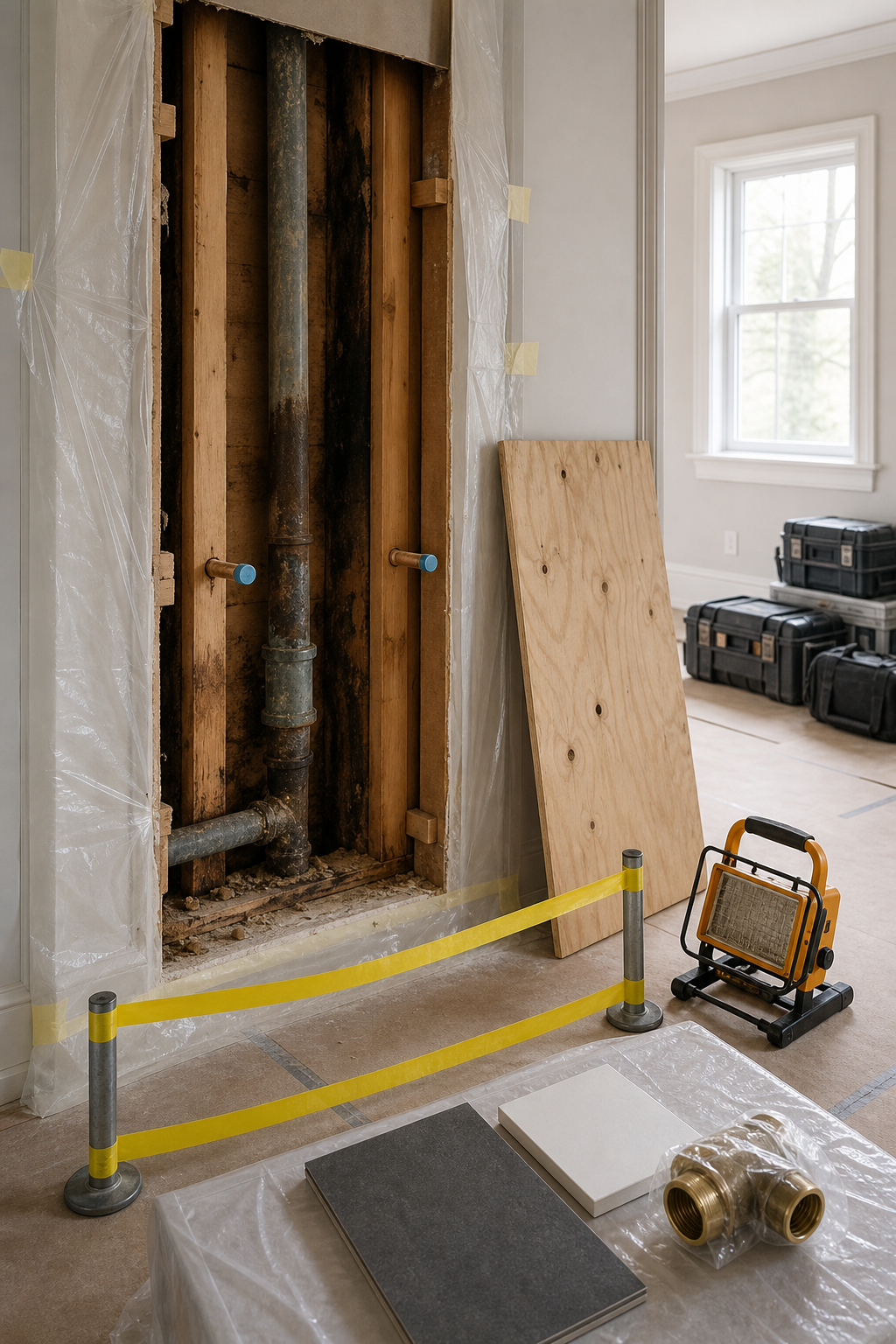
The immediate response
Refusal is information, not permission and not a verdict.
A customer may reject the scope, price, timing, responsibility, signer authority, document wording, or need for the change. Find the actual disagreement before sending the same form again.
Do not misstate refusal as approval, backdate a record, or use pressure as a signing method. Preserve safety and property, follow the original agreement, separate affected work from unaffected work only when responsible, and seek qualified advice before suspension, termination, lien, collections, or legal action.
Seven-step decision tree
Move from “no signature” to a defined next state.
- 01
Is there an immediate safety or property risk?
Take only appropriate protective or emergency action under the agreement, law, and professional duties. Document the condition and measures; do not hide repair work inside stabilization.
- 02
What exactly did the customer decline?
Ask whether the issue is need, scope, material, price, credit, schedule, payment, responsibility, wording, attachments, or authority. Record the answer without argument.
- 03
Is the work truly outside the baseline?
Compare the signed scope, drawings, selections, allowances, exclusions, assumptions, prior changes, and field evidence. Correct the proposal if the original agreement already includes it.
- 04
Can the decision be made smaller or clearer?
Offer defined options: decline the extra, approve minimum safe work, investigate under a cap, use unit pricing, select an alternate, revise scope, or obtain independent design or expert input.
- 05
What work is affected?
Map the disputed work, dependencies, site protection, access, permits, procurement, schedule, and any original work that may continue responsibly. Do not guess at contract rights.
- 06
Has the decision been documented?
Preserve the proposed change, delivery, customer response, revised options, photos, site status, costs already committed, schedule effect, and the exact next action or deadline.
- 07
Does the contract provide a resolution path?
Follow its notice, architect/owner decision, negotiation, mediation, arbitration, claim, suspension, or other procedures with qualified project-specific advice before taking consequential action.
Diagnose the refusal
Different objections need different corrections.
Scope dispute
Put original language beside the proposed delta. Highlight inclusions, exclusions, assumptions, drawings, and field evidence without rewriting the baseline.
Price dispute
Show quantities, labor, material, equipment, subcontract, markup basis, tax treatment, credits, and alternatives. Correct errors openly.
Need or method dispute
Provide observations, code/design references when appropriate, photos, options, and reasonable access for an authorized independent review.
Timing or cash-flow issue
Explain safe stop, protection, lead time, option expiration, schedule effect, remobilization, and payment choices without creating artificial urgency.
Authority issue
Identify the contracting party and authorized approver. Do not treat a site contact’s refusal or assent as binding without authority.
Record issue
Fix names, property, change ID, attachments, arithmetic, wording, signature lines, dates, and any required notices before resending.
Calm message templates
State the status without manufacturing agreement.
“Which part should we revisit?”
“I understand you are not approving Change CO-015 as written. Is your concern the need for the repair, the proposed scope, price, schedule effect, or another term? I’ll record the issue and revise only what we agree needs correction.”
“The affected work remains paused.”
“We have made the opened area safe as shown in today’s photos. The added repair has not been authorized and will not proceed while the change is unresolved. I will separately confirm what original work, if any, can continue.”
“Here are three defined paths.”
“You may decline the added repair, approve the minimum safe option, or authorize limited investigation up to the stated ceiling. Each option shows scope, cost, time, exclusions, and the condition in which work stops.”
“This note records status, not approval.”
“As of [date/time], Change CO-015 remains unapproved. This message documents the proposal, your stated concern, current site condition, protective measures, and next review date. It does not represent your acceptance.”
Do not improvise
Actions that can make the dispute worse.
Proceed and hope to collect later
Authorization and payment rights vary; performing disputed extras can increase cost and evidence problems.
Backdate or edit the record
Preserve accurate chronology, versions, responses, photos, and signatures.
Threaten a lien or abandonment casually
Notice, lien, suspension, termination, and demobilization rules are consequential and jurisdiction-specific.
Hold unrelated work hostage
Assess dependencies, contract rights, safety, access, and undisputed obligations with qualified advice.
Refusal record
Document chronology without pretending the customer agreed.
What was offered
Change ID/version, original baseline, reason, additions/deletions, price, time, payment, exclusions, and attachments.
Who received it and when
Authorized contact, delivery method, date/time, review opportunity, questions, and any failed delivery.
What the customer actually said
Quote or summarize accurately, preserve messages, and distinguish refusal, request for revision, no response, or lack of authority.
Current condition and protection
Photos, access, safety measures, open work, materials, equipment, weather protection, and pending inspections.
Known effect and committed cost
Dependencies, lead times, schedule status, remobilization, restocking, subcontract commitments, and what remains uncertain.
Options and process
Revised proposal, meeting, expert input, response date, contract notice, mediation, or legal review, without declaring an unearned remedy.
Research basis
Authorization and dispute procedures are project-specific.
California Business and Professions Code § 7159.6 illustrates a clear authorization boundary for covered home-improvement work: specified scope, price adjustment, and payment/completion effect, plus written authorization before extra work. Section 7159 adds contract and change-order form requirements. These California rules do not establish a nationwide rule.
Oregon CCB guidance encourages direct communication and an opportunity to resolve concerns, describes formal pre-complaint and mediation procedures for matters within its jurisdiction, and emphasizes written contracts, required notices, and proof of delivery. Its process is an Oregon example, not a generic notice template for contractors elsewhere.
- California BPC § 7159.6: extra-work authorization ↗
- California BPC § 7159: change-order requirements ↗
- California CSLB: complaint and mediation overview ↗
- Oregon CCB: communication and dispute guidance ↗
- Oregon CCB: dispute-resolution process ↗
This guide does not tell a contractor whether to continue, suspend, terminate, demobilize, demand payment, record a lien, or pursue a claim. Those decisions require the actual agreement, facts, safety obligations, deadlines, and qualified local legal advice.
Unsigned change-order questions
What should I do if the customer will not sign?
Protect the site, identify the objection, compare the baseline, revise or offer clear options, document status, and follow the agreement and applicable procedure.
Can unaffected original work continue?
Sometimes, but dependencies, safety, sequencing, access, and contract duties may prevent clean separation. Get project-specific advice before changing performance.
Should I document the refusal?
Yes. Record the proposal, delivery, actual response, site condition, safety measures, effects, and next step without implying customer agreement.
Can I charge for work without the signature?
Payment rights depend on authorization, contract, project, facts, and law. Do not assume; review the governing requirements and seek qualified advice.
Make the options clear
Give the customer a precise decision, not a pressured signature.
JobSign helps contractors present scope, price, evidence, exclusions, and options in one focused change-order approval.
Create a change approval →